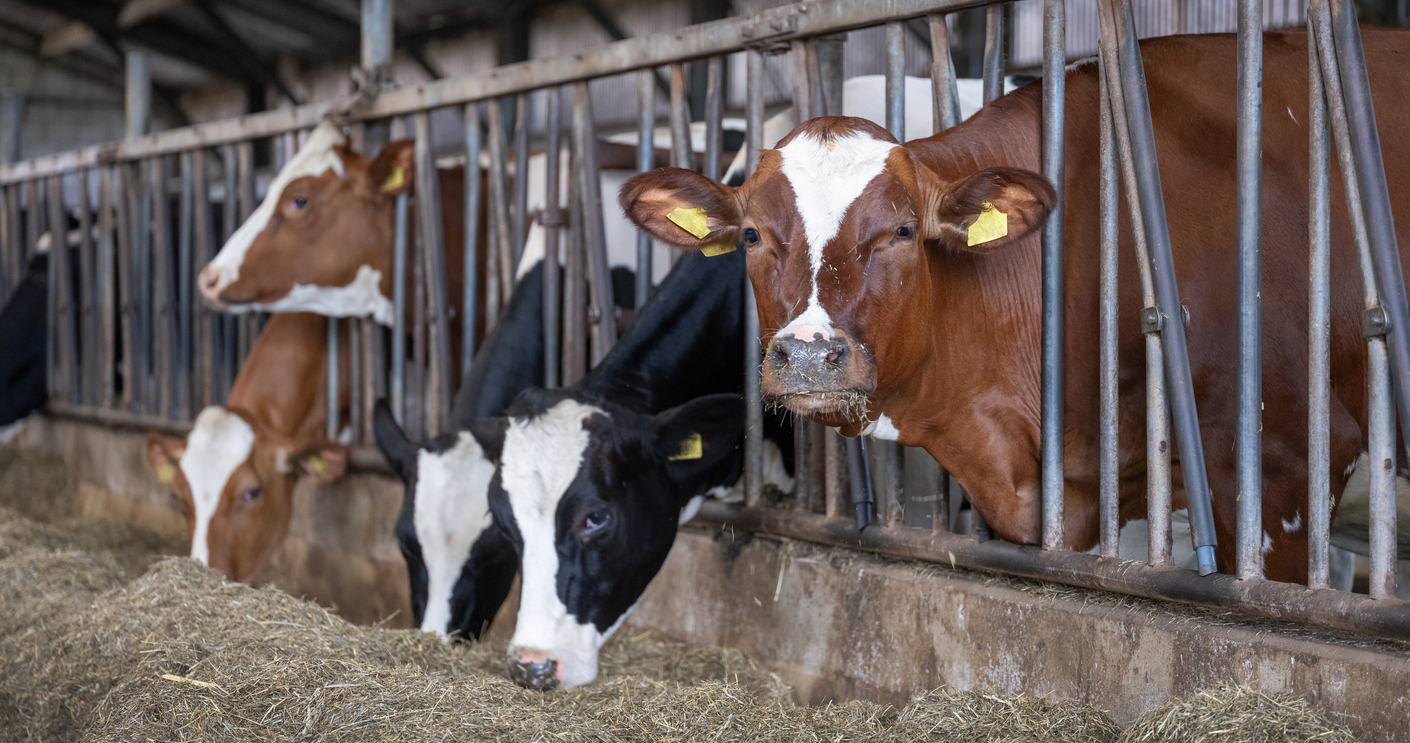
With autumn now underway, attention turns to preparing your buildings and handling facilities ahead of moving livestock into their winter home. It’s also a good opportunity to review some of the key risks associated with winter housing, along with the checks that could help reduce the likelihood of incidents affecting you, your livestock, employees and contractors.
Time To Take a Fresh Look at Your Facilities
Before moving your livestock, take a walk around your buildings. You may spot issues that are easy to overlook during the rest of the year, whether that’s a damaged gate, worn flooring, poor lighting or ventilation that isn’t performing as it should. Tackling these jobs now can help prevent small problems turning into bigger ones later in the winter!
HSE research that 47% of cattle-handling injuries involve inadequate handling facilities, making races, gates, crushes and penning systems a sensible place to start when carrying out your pre-housing checks.
What Are the Top 5 Risks During Winter Livestock Housing?
1. Crushing Injuries
Moving livestock through handling systems and into their winter accommodation can increase the potential for crushing incidents. Whether it’s a gate that doesn’t close properly, a damaged race or an animal reacting unexpectedly, these injuries remain one of the most significant risks associated with livestock handling.
Even facilities that have worked reliably for years can develop wear and tear, which is often only discovered when they’re put under pressure.
2. Kicks and Trampling Incidents
When gathering, sorting and moving animals through handling systems there is a risk of kicks, knocks and trampling incidents, especially if livestock become unsettled or facilities are not functioning as intended.
Did you know, more than 100 people are injured by cattle every year in UK agriculture? This statistic highlights just how quickly situations can change, even when you’re working with familiar livestock.
3. Slips, Trips and Falls
Winter weather can quickly create slippery conditions around livestock buildings. Mud, standing water, feed spillages and damp concrete all have the potential to increase the risk of slips, trips and falls.
Entrances, collecting yards, feed passages and areas around water troughs are all locations where hazards can develop quickly if left unchecked.
4. Machinery Incidents
Many livestock farms rely heavily on loaders, telehandlers and feeding equipment during the winter months. Where livestock, people and machinery are operating in close proximity, the risk of collisions involving people, animals or property can increase.
Before housing begins, check the condition of your machinery. Worn tyres, faulty lighting, braking defects and hydraulic issues can all affect reliability and safety.
It’s also worth thinking about vehicle movements beyond your farm gate. Tractors and machinery travelling between fields and yards can leave sticky mud on public roads, creating hazards for other road users. Please remember to take reasonable steps to minimise mud deposits and deal with any build-up. This can help reduce the risk of incidents and potential liability which could lead to claims, enforcement action and clean-up costs where other road users are put at risk.
5. Respiratory Issues from Poor Ventilation
Is your ventilation sufficient? Dust, moisture, ammonia and airborne bacteria can build up over time, potentially affecting both livestock health and the health of anyone working inside the livestock building. Reviewing airflow and ventilation performance before livestock are housed can help reduce the likelihood of problems developing later in the season.
How Can Farm & General Help?
While many of the risks associated with winter livestock housing can be reduced through good planning, regular maintenance and suitable facilities, no farm is completely immune from accidents, equipment failures or unforeseen events.
That’s why it’s important to review your insurance arrangements and ensure they continue to reflect your activities, assets and farming risks.
As rural insurance specialists, we work with farming businesses across the UK, helping them assess risks associated with livestock, agricultural buildings, machinery and liability exposures. Have a chat with our team, review your current arrangements and identify insurance solutions that reflect your circumstances, subject to policy terms, conditions and exclusions.