Home > Blog > Before You Start Hedge Cutting…
Before You Start Hedge Cutting…
Hedgerows are a staple element of British farming, giving many farms their iconic rural British look. Their natural borders are a familiar feature of the countryside as well as extremely useful, acting as fences between livestock fields and boundaries alongside roads. But how can you maintain them safely?
The first day of September is generally when hedge cutting can resume on agricultural land in England, as the main restriction on cutting and trimming covered agricultural hedgerows runs from 1 March to 31 August. This is subject to any applicable exemptions, local requirements and checks for active nests or other wildlife protections. This means hedgerow management quickly becomes a key part of autumn farm maintenance. With this shift in focus coming so quickly after harvest, safety checks, route planning and insurance reviews can easily slip down the priority list. However, taking unnecessary risks can lead to injury, property damage, claims or uninsured losses if suitable controls and cover are not taken.
So, what steps can you take to protect both yourself and your business?
Using Machinery Safely
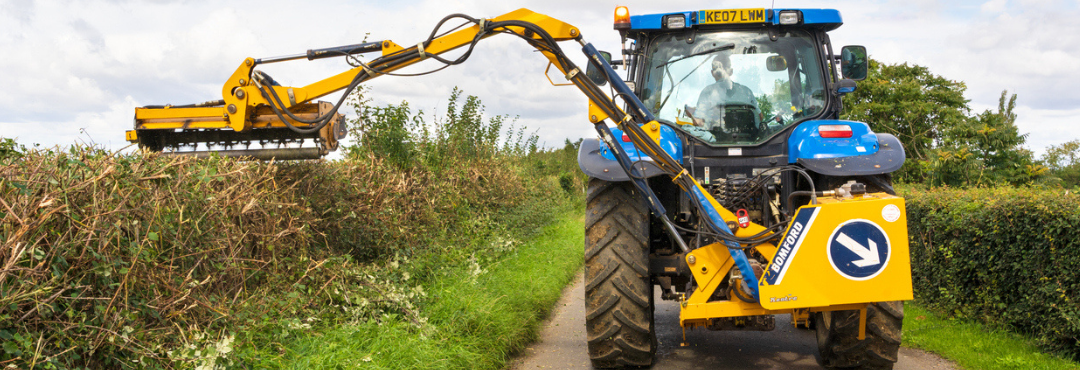
Along with the hazards associated with operating a tractor, there is the potential for injury from contact with moving parts, being struck by the cutting arm, debris ejected from the hedge cutter, overhead power lines, hydraulic faults and the tractor becoming unstable when the arm is extended. These risks can affect you, others nearby, your machinery and your business if adequate precautions and suitable insurance arrangements are not in place.
Before you begin the task, check that your Agricultural Vehicle Insurance is up to date and confirm what protection is provided for accidental damage, third-party property damage, public liability and any relevant exclusions, excesses or conditions. The Health and Safety Executive highlights the importance of safe working practices for tractor-mounted rotary flail hedge cutters, including suitable guards, machine safety checks and safe stop procedures before maintenance, adjustments or dealing with blockages.
Protecting the Public
While carrying out hedge cutting on roadside hedgerows, plan the work carefully and take account of other road users, pedestrians, cyclists and members of the public. You could be held liable for injuries or damage caused by debris, poor visibility, inadequate warning arrangements or your machinery. To help reduce the risk of accidents and damage to your own or other vehicles, consider carrying out hedge trimming on road-facing hedges when traffic levels are lower, and use appropriate warning signs, cones, beacons or traffic management controls where required. Debris should be cleared promptly where it could create a hazard. Before starting work, if you are trimming hedges from or near the public highway, check that you have appropriate Agricultural Vehicle Insurance and Public Liability Insurance in place and that any policy conditions relevant to roadside work are understood.
Insurance Considerations
1. Contractors
If you are an agricultural contractor carrying out hedge-cutting work on behalf of a landowner, make sure you have appropriate insurance cover for the work being undertaken, including cover for your machinery, employees where applicable, public liability and damage to third-party property.
2. Employees
If you hire someone else to cut your hedges, it is important to check that both your business and the contractor have suitable insurance in place before work begins. If you employ staff to assist with hedge-cutting activities, you should also ensure your Employers’ Liability Insurance is in place and up to date.
We can help advise on appropriate liability insurance, including Public Liability Insurance and Employers Liability, to help protect your business, your employees and the public should an accident occur.
Key Risks
Steven Cove, Regional Director at Farm and General, says:
“We all know that hedge cutting is a vital part of managing farmland and also keeping the countryside tidy. But it can also be a dangerous time of the year, with a risk of damaging phone lines and other third-party property. The risk of a motor claim if the job is not managed properly is also higher, and it’s important that the correct precautions and training have been put in place before the work is undertaken.”
Before You Start
Whether you carry out hedge cutting yourself or use an agricultural contractor, reviewing your farm insurance arrangements before hedge-cutting season begins can help you understand whether your current cover remains suitable for the work being undertaken. Here at Farm and General, we can help you review your insurance arrangements, so please get in touch with one of our team to discuss your requirements and check whether your cover remains appropriate for your needs.